
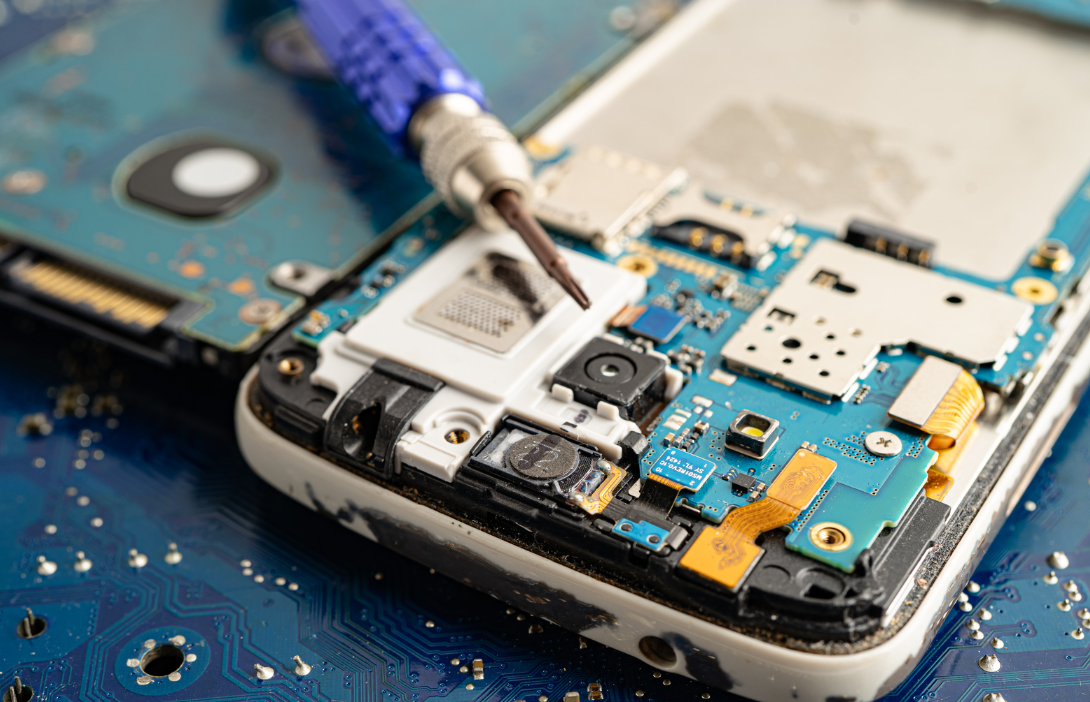
As smartphones have become an essential part of everyday life, the demand for reliable phone repair services has grown significantly. From cracked screens and battery replacements to charging port repairs and water damage restoration, consumers increasingly prefer repairing their devices rather than replacing them. This trend has created a growing market for phone repair businesses, making franchise ownership an attractive option for aspiring entrepreneurs. However, like any business investment, purchasing a phone repair franchise requires careful consideration of the costs, competition, and long-term market potential. Understanding the benefits and challenges can help investors determine whether one of the many available franchise opportunities is the right fit for their financial goals and business ambitions.
Why the Phone Repair Industry Continues to Grow
The modern consumer depends heavily on smartphones for communication, banking, work, entertainment, and shopping. As mobile devices become more advanced and expensive, replacing a damaged phone is often significantly more costly than repairing it. This has fueled consistent demand for professional repair services.
In addition to smartphones, many repair businesses now service tablets, laptops, gaming consoles, smartwatches, and other electronic devices. Expanding service offerings allows phone repair franchises to diversify their revenue streams while appealing to a broader customer base.
The increasing focus on sustainability has also contributed to industry growth. More consumers are choosing to repair electronic devices rather than dispose of them, reducing electronic waste while saving money. This shift in consumer behavior supports the long-term outlook for the repair industry.
Advantages of Buying a Phone Repair Franchise
One of the primary advantages of investing in a phone repair franchise is gaining access to an established business model. Rather than building a company from scratch, franchise owners benefit from proven operational systems, recognized branding, supplier relationships, and marketing support.
Training is another major advantage. Many franchisors provide comprehensive technical instruction, customer service education, inventory management systems, and ongoing operational support. This makes the business accessible even for entrepreneurs who may not have previous experience repairing electronic devices.
Established franchises often negotiate favorable pricing with suppliers for replacement parts and accessories. Lower purchasing costs can improve profit margins while ensuring consistent product quality across franchise locations.
Brand recognition also plays an important role. Consumers often feel more comfortable trusting an established repair business with expensive electronic devices than an unknown independent shop. This can help franchise owners attract customers more quickly after opening.
Financial Investment and Profit Potential
The investment required for a phone repair franchise varies depending on the brand, location, and size of the operation. Startup costs typically include franchise fees, equipment, inventory, leasehold improvements, signage, insurance, and working capital.
Compared to some food service or retail franchises, phone repair businesses may require a lower initial investment while still offering strong earning potential. Profit margins on labor-intensive repair services can often be attractive because the value lies in skilled workmanship rather than expensive inventory alone.
Many phone repair franchises also generate additional revenue by selling phone cases, screen protectors, chargers, headphones, and refurbished devices. These complementary products can increase average transaction values while providing recurring sales opportunities.
As investors compare various franchise opportunities, it is important to carefully review financial disclosures, royalty fees, marketing contributions, and projected operating expenses to determine whether the expected return aligns with their investment objectives.
Challenges to Consider Before Investing
Despite its promising outlook, the phone repair industry is not without risks. Technology evolves rapidly, requiring technicians to continually update their skills and equipment to repair the latest devices.
Competition can also be significant, particularly in densely populated urban areas. Independent repair shops, manufacturer-authorized service centers, and large electronics retailers may all compete for the same customer base. Success often depends on providing fast service, competitive pricing, and exceptional customer experiences.
Another consideration is the availability of replacement parts. Supply chain disruptions or changes in manufacturer policies can occasionally affect repair times and profitability. Franchise systems with strong supplier networks may help reduce these challenges, but prospective owners should understand how their chosen franchisor manages inventory and sourcing.
Like any franchise investment, owners must also follow the franchisor’s established operating procedures, branding guidelines, and business standards. While this consistency supports the brand, it may limit the flexibility some entrepreneurs desire.
Choosing the Right Phone Repair Franchise
Selecting the right franchise involves much more than comparing startup costs. Investors should evaluate the franchisor’s reputation, years in business, training programs, ongoing support, technology updates, and overall financial stability.
Speaking with current franchise owners can provide valuable insights into day-to-day operations, customer demand, profitability, and the quality of franchisor support. Reviewing customer satisfaction, online reviews, and local market demand can also help identify locations with strong growth potential.
Entrepreneurs should also consider whether the franchise offers opportunities to expand into multiple locations or additional repair services as the business grows. Many successful owners eventually diversify by adding computer repair, business IT support, or electronics recycling services, creating even greater long-term value.
When researching franchise opportunities, investors should prioritize businesses that demonstrate adaptability to changing technology and a commitment to continuous innovation.
Conclusion
Phone repair franchises can represent a savvy investment opportunity for entrepreneurs seeking to enter a growing and resilient industry. Rising smartphone ownership, increasing repair costs for new devices, and consumer interest in sustainable solutions continue to support demand for professional repair services. While success is never guaranteed, investing in an established franchise can provide valuable training, operational support, and brand recognition that reduce many of the challenges associated with starting an independent business. By carefully evaluating franchise opportunities, understanding the financial commitment, and selecting a strong location, investors can position themselves to build a profitable business that benefits from the ongoing demand for electronic device repairs.